The traditional model of education—sitting in a classroom, memorising facts from a textbook—is fundamentally important. However, true learning transcends the blackboard. It lives and breathes in the world outside. Traveling as a part of education is not merely a break from academic life; it is a vital, transformative. And hands-on curriculum that builds crucial life skills and a genuinely global perspective. It is the textbook brought to life, the history lesson you can touch, and the ultimate real-world exam in problem-solving.
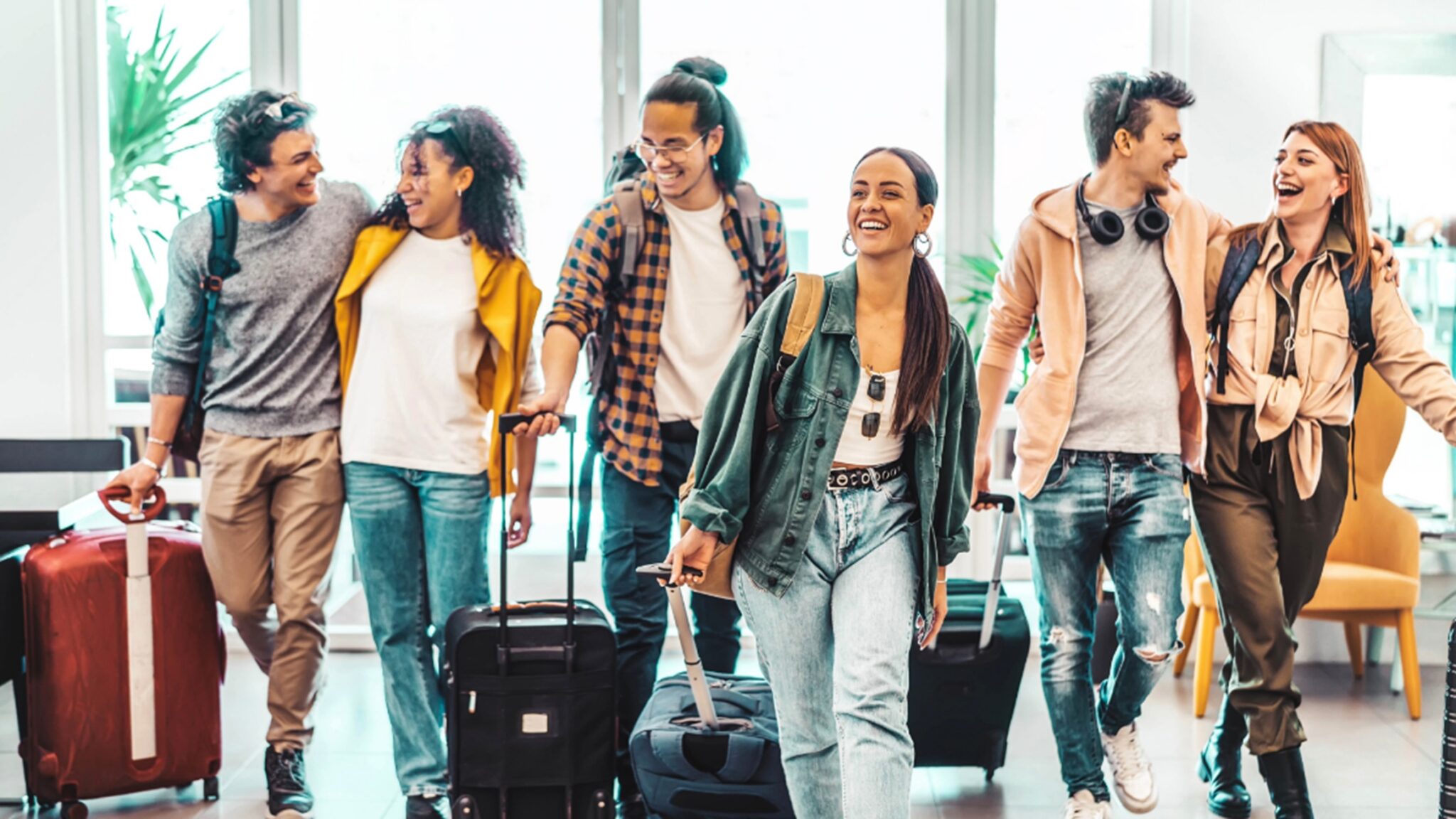
The World as Your Textbook: Experiential Learning
The most significant educational benefit of travel is its nature as an experiential learning environment. It moves abstract concepts into tangible reality, solidifying knowledge in a way no lecture ever could.
- History Comes to Life: Reading about the Roman Empire is one thing; walking through the Colosseum or the ruins of Pompeii is entirely another. History shifts from black-and-white dates to a vibrant, emotional narrative. Visiting the Berlin Wall or the temples of Angkor Wat gives a weight and context to global events that is impossible to gain solely from secondary sources.
- Geography is Real: The Amazon River is no longer just a blue line on a map. The Himalayas are not just a peak in a photograph. By experiencing the heat of a desert, the humidity of a rainforest, or the altitude of a mountain range, a traveler gains a deep, physical understanding of climate and landscape that sticks with them forever.
- Language Immersion: The fastest and most effective way to learn a new language is to be immersed in it. Travel forces the learner to apply their skills in real-time, making grammar and vocabulary instantly practical and memorable. Ordering food, asking for directions, or simply listening to conversations is a masterclass in communicative competence.
SEO Focus: Experiential learning travel, travel benefits for students, hands-on education.
Cultivating Global Citizenship and Empathy
In an increasingly interconnected world, a narrow worldview is a disadvantage. Travel is the antidote, cultivating essential traits for global citizenship.
- Cultural Awareness and Empathy: Stepping into a different culture—experiencing local customs, tasting new cuisines, and living by a different rhythm—naturally broadens the mind. It challenges preconceived notions and stereotypes. Witnessing different societal structures, whether it’s the efficient public transport of Tokyo or the challenges of life in a developing nation, fosters empathy and a deeper understanding of humanity’s shared and diverse existence.
- Personal and Professional Adaptability: Travel is an endless series of minor crises: a missed train, a language barrier, a currency confusion. Each obstacle is a practical lesson in problem-solving and resourcefulness. When your phone dies and you have to navigate a new city using only a paper map and broken sign language, you develop soft skills—adaptability, patience, and communication—that are highly valued in any academic or professional environment. You learn to embrace flexibility and thrive outside your comfort zone.
The Development of Self: Confidence and Independence
Travel often separates an individual from their familiar safety net—family, friends, and routine. This forced independence is perhaps the most profound form of personal growth.
- Boosted Confidence: Successfully navigating a foreign airport, independently budgeting funds, or even simply ordering a meal in a non-native language generates an immense feeling of accomplishment. These small victories build self-reliance and confidence that permeates all aspects of life, from the classroom to the boardroom.
- Perspective and Gratitude: Seeing how people in different parts of the world live, often with far fewer resources, puts one’s own life and worries into sharp perspective. It cultivates a profound sense of gratitude and allows for a clearer evaluation of one’s own cultural values and privileges.
Conclusion: The Investment in Experience
Travel is far more than a luxury; it is a vital investment in personal and educational development. It is the school of life, offering credits in history, sociology, linguistics, economics, and, most importantly, in self-knowledge. For students, career-changers, or anyone seeking to deepen their understanding of the world, prioritizing travel is prioritizing a richer, more insightful, and more adaptable future. The memories you bring back are not just souvenirs; they are the pages of a unique, powerful, and ever-evolving education.
