The dream of a Round-the-World (RTW) trip—a continuous journey spanning continents, cultures, and months—is one of the most ambitious and rewarding goals a traveler can set. It’s the ultimate pursuit of freedom and discovery. However, the sheer scale of such an undertaking can be paralyzing. Planning a world trip is less like planning a vacation and more like launching a small, highly mobile operation. It requires rigorous organization, detailed budgeting, and emotional preparation.
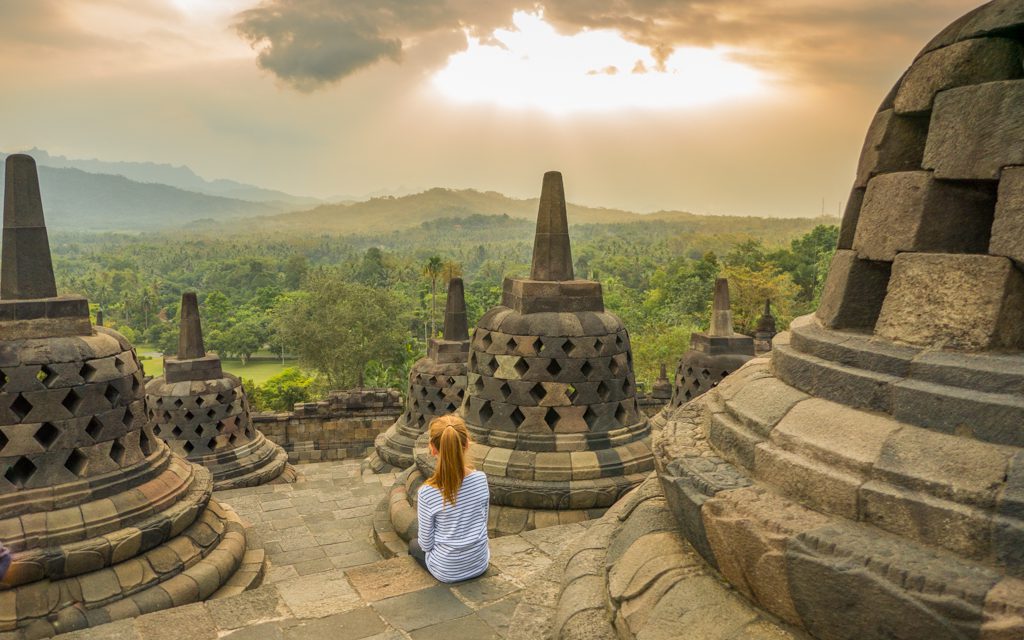
This article provides the ultimate blueprint, breaking down the complex process of how to plan a world trip into manageable, strategic phases to transform that daunting dream into a concrete, achievable itinerary.
Phase 1: Defining the Scope and Non-Negotiables
Before looking at flights or hotels, the foundation of the trip must be solidified. These decisions dictate everything that follows.
Budget and Duration: The Core Constraints
The single most critical decision is the intersection of money and time. These two factors determine the pace and style of your entire journey.
- Establish the Budget Floor and Ceiling: A world trip can cost anywhere from $15,000 to over $50,000, depending on the travel style (backpacking vs. luxury) and duration. Setting a firm total budget allows you to calculate a realistic daily allowance. The longer the trip, the slower the pace must be, prioritizing cheap countries and local transport.
- Define the Timeline: Will you travel for six months, one year, or longer? This impacts visa requirements, insurance needs, and the optimal timing for your route.
The Route Philosophy: Fast vs. Slow Travel
Choosing your travel style is crucial. Fast travel (hopping countries every few days) is expensive and exhausting. Slow travel (spending weeks or months in one place) is cheaper, less stressful, and offers deeper cultural immersion.
- Initial Route Sketch: Don’t book every single flight immediately. Instead, sketch out a high-level, sequential route based on continents and desired experiences (e.g., South America $\rightarrow$ Southeast Asia $\rightarrow$ Europe). This general plan is essential for Phase 2.
Phase 2: Mastering the Logistics and Financials
With the general route defined, the planning must pivot to the concrete, unavoidable hurdles of visas, finances, and transportation.
The Financial Engine: Banking and Insurance
Financial security and access are paramount when traveling long-term.
- Zero-Fee Banking: Research and set up bank accounts and credit cards that offer zero foreign transaction fees and reimburse ATM withdrawal fees worldwide. This can save hundreds, if not thousands, of dollars over the course of a year.
- Comprehensive Travel Insurance: This is non-negotiable. Invest in an annual or long-term travel insurance policy that covers emergency medical evacuation, major health issues, and, ideally, includes some level of gear protection and trip cancellation coverage. Ensure your policy covers all planned destinations and activities (e.g., trekking).
Visas and Documentation
Visa planning must be meticulous, as missing a single requirement can derail the entire trip.
- The Visa Chain: Use your route sketch to research the visa requirements for every country on your list. Pay close attention to consecutive requirements (e.g., some countries require proof of exit before issuing an entry visa).
- Passport Validity: Ensure your passport is valid for at least six months beyond your planned return date. Consider applying for a second passport if your primary one is frequently needed for visa applications.
Phase 3: Tactical Booking and The Rule of Flexibility
Booking everything simultaneously is inefficient and eliminates flexibility. A better approach is tactical, tiered booking.
The Flight Strategy: RTW Tickets vs. One-Way
- RTW Tickets: While historically popular, pre-packaged RTW tickets offered by airline alliances are often rigid and expensive.
- One-Way Booking: Booking flights individually or in segments (especially using budget airlines within continents) generally offers more flexibility and can be cheaper. Focus on booking only the long-haul, intercontinental flights 3-6 months in advance.
- Travel Days: Factor in “dead time.” When planning your itinerary, count travel days as rest days; do not schedule activities on days you move between cities or countries.
The Accommodation Buffer
Do not book accommodations for the entire year. Book only the first week or two of your journey.
- Flexibility is King: Booking long-term eliminates the freedom to change your mind, extend a stay in a favorite location, or spontaneously join new friends for a side trip. Wait until you arrive in a country to book the next segment using local knowledge and real-time reviews. Prioritize hostels, short-term apartment rentals (e.g., Airbnb), or housesitting for budget relief.
Conclusion: The Journey of a Lifetime
Planning a world trip is a journey in itself—one that requires patience, research, and rigorous self-discipline. By establishing clear financial constraints, diligently preparing all necessary documentation, and prioritizing a flexible, slow-travel philosophy, you move beyond the theoretical idea of “someday.” The sheer magnitude of the task is conquered by breaking it down into these three actionable phases. The planning phase ensures that when you finally step onto that first plane, the logistics are settled, and the only thing left to focus on is the adventure that lies ahead.
