Mexico is a country of staggering contrast, offering everything from ancient Mayan ruins and vibrant colonial cities to world-class beaches and some of the planet’s most exciting culinary traditions. Planning a trip to this vast and multifaceted nation requires strategic thinking to navigate its diverse geographical and cultural regions effectively. It is a destination that rewards travelers who move beyond the all-inclusive resorts and dive into the rich tapestry of its history and contemporary life.
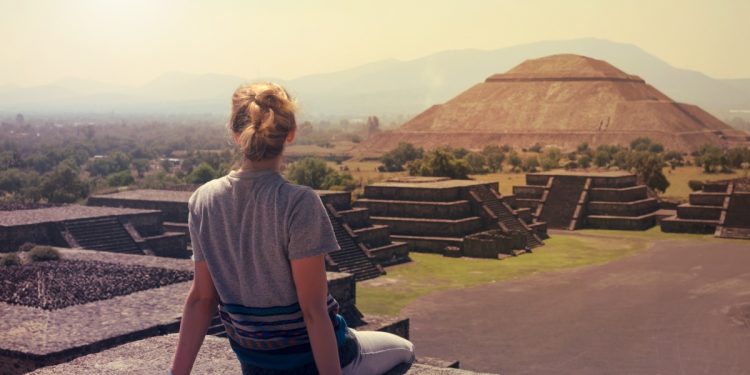
This article provides an essential blueprint for trip planning in Mexico, focusing on logistics, regional segmentation, safety considerations, and budgeting to ensure a journey that is both smooth and deeply rewarding.
Pillar 1: Defining Your Mexican Itinerary by Region
Mexico is not a single destination; it is a collection of distinct regions, each demanding a separate focus. Trying to see the entire country in a two-week span is logistically unsound and exhausting. The first step in planning is choosing a region.
The Yucatán Peninsula (Quintana Roo, Yucatán, Campeche)
- Focus: Beaches (Cancún, Tulum, Playa del Carmen), Mayan history (Chichén Itzá, Uxmal), and cenotes (natural swimming sinkholes).
- Planning Tip: This region is excellent for first-time visitors to Mexico due to its robust tourist infrastructure and ease of transportation. The travel style is generally efficient, allowing for day trips from major hubs. Best time to visit is typically November through April to avoid the peak hurricane season.
Central Mexico (Mexico City, Oaxaca, Puebla)
- Focus: Culture, history, world-class museums, street food, and colonial architecture. Mexico City is a global metropolis rivaling New York or London. Oaxaca is the undisputed culinary heartland.
- Planning Tip: Transportation within this region is best managed by comfortable, affordable long-distance buses (e.g., ADO) or domestic flights between major cities. Allocate significant time (at least five days) to Mexico City alone to scratch the surface of its depth.
Pacific Coast (Jalisco, Nayarit, Baja California Sur)
- Focus: Surfing (Puerto Escondido), luxury resorts (Puerto Vallarta, Cabo San Lucas), and stunning desert-meets-ocean landscapes (Baja).
- Planning Tip: This coast is highly fragmented. Travel between destinations often requires internal flights due to mountain ranges. Baja is best explored via a car rental for maximum freedom, while Puerto Vallarta relies more on established tourism routes.
Pillar 2: Mastering Mexican Logistics
Efficient travel in Mexico relies on understanding local transportation and connectivity.
Transportation: Buses Are King
While domestic flights connect major cities, Mexico’s first-class bus system (e.g., ADO, ETN) is often the preferred method for inter-city travel within regions.
- Bus Comfort: These buses are affordable, comfortable (often featuring reclining seats and WiFi), and reliable, providing a stress-free alternative to driving or dealing with airport security for short hops.
- Car Rental Caution: Renting a car offers freedom but is recommended only in specific areas (like the Yucatán or Baja). Driving in congested city centers like Mexico City or certain remote areas can be challenging due to traffic and local road conditions.
Connectivity and Currency
- Money Matters: While credit cards are accepted in major tourist areas, carrying Mexican Pesos (MXN) is essential for markets, small restaurants, and local buses. Always use local ATMs in banks (not airport exchange booths) for the best rates.
- SIM Cards: Purchasing a local SIM card (Telcel is the largest provider) upon arrival is cheap and provides reliable data coverage, which is invaluable for navigation, translation, and communication.
Pillar 3: Budgeting and Safety Considerations
A comprehensive plan must factor in realistic budgeting and proactive safety measures.
Budgeting for Diversity
Mexico offers incredible value, but the cost varies dramatically by region and travel style.
- Luxury vs. Local: Resorts in Tulum or Cabo can easily cost hundreds of dollars per night. Conversely, traveling through Oaxaca or Puebla using local transport and staying in hostales can be extremely budget-friendly. A good mid-range daily budget should factor in around $70-$100 per person, covering nice accommodation, food, and activities.
- Food Splurge: Budget for dining out! Mexican street food is cheap and world-class, but also reserve funds for one or two unforgettable fine dining experiences, particularly in Mexico City or Oaxaca, where global culinary trends meet indigenous traditions.
Prioritizing Proactive Safety
While much of Mexico is safe for tourists, common sense and pre-planning are vital.
- Stay Informed: Research the specific safety profile of the neighborhoods you plan to visit, particularly within large cities.
- Avoid Displays of Wealth: Do not wear flashy jewelry or visibly handle large sums of cash.
- Use Registered Transport: Always use official, registered taxis (especially from airports) or ride-sharing apps like Uber (where available) instead of hailing unmarked taxis on the street.
Conclusion: The Reward of Detailed Planning
Trip planning in Mexico is a rewarding challenge that requires choosing a regional focus and mastering local logistics. By strategically segmenting your itinerary, utilizing the excellent bus system, and staying mindful of local safety considerations, you can unlock the full potential of this magnificent country. Mexico offers a vibrant, profound, and delicious experience—but the true adventure begins with a well-researched, adaptable plan.
