For many, the word vacation conjures images of lounging by a pool with a cocktail in hand or indulging in decadent local cuisine without a second thought. While the “do-nothing” approach is certainly a valid way to recover, a growing number of travelers are discovering the benefits of vacation exercise. Far from being a chore, movement during your time away can actually heighten your travel experience, leaving you more energized rather than sluggish upon your return.
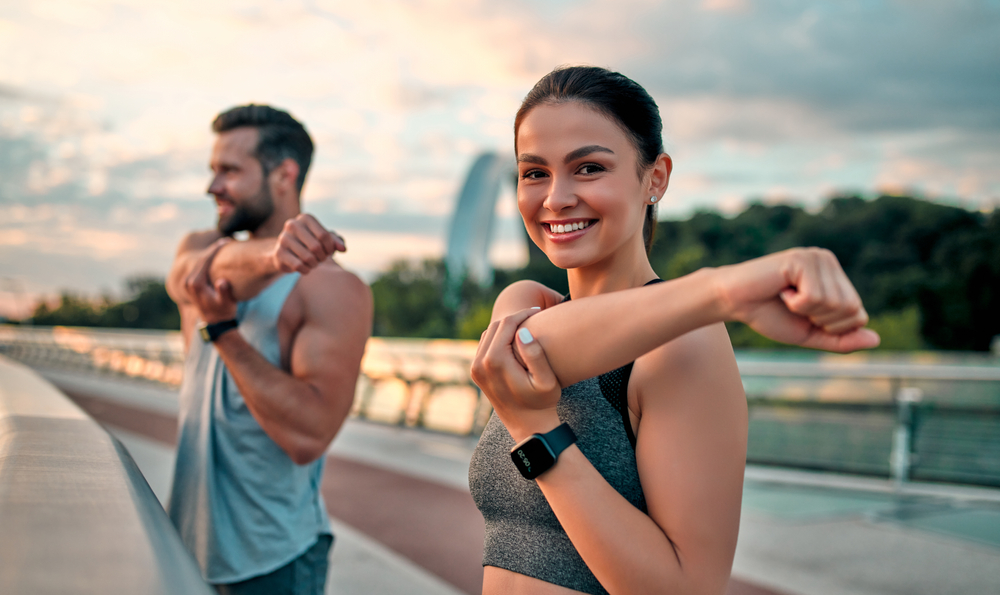
The philosophy of vacation exercise is not about adhering to a rigid, high-intensity gym routine while you are meant to be exploring the world. Instead, it is about shifting your perspective on movement: viewing physical activity as a tool to unlock a destination rather than a box to be checked for weight maintenance.
The Philosophy of Active Travel
When we travel, we often experience a physical disconnect. We fly for hours, sit in taxis, and spend afternoons in cafes. This sedentary behavior can lead to bloating, lethargy, and a general feeling of being “off.” Incorporating exercise serves as an antidote to this physical stagnation.
Active travel is about intentional movement. It is the practice of engaging your body to interact with your environment. When you walk, cycle, or swim through a new location, you perceive details that are invisible from the window of a tour bus. You smell the air, notice the architecture, and understand the geography of a city in a way that remains etched in your memory.
Strategies for Integrating Movement into Your Itinerary
If you want to maintain a level of physical health without sacrificing your leisure time, you must be strategic. The goal is to lower the barrier to entry so that exercise feels like a natural part of the day.
1. The Walk-First Approach
Walking is the most underrated form of travel exercise. It is free, requires no equipment, and is the best way to uncover hidden gems. Instead of relying on subways or ride-sharing apps, commit to walking to at least two of your daily destinations. If you are staying in a sprawling city, aim for a specific step count that allows you to see the sights while keeping your heart rate elevated.
2. Seek Out Local Active Communities
Every city has a pulse, and often, that pulse is found in its fitness culture. Look for local yoga studios, running clubs, or cycling groups. Joining a local group for a Saturday morning run or an open-air yoga session allows you to interact with residents, providing a more authentic experience than a typical tourist-centric activity.
3. Embrace “Adventure Tourism”
If you find traditional exercise boring, choose a destination where the activity is the vacation. A skiing trip, a hiking expedition in the mountains, or a surfing camp in a coastal village inherently involves movement. In these scenarios, you are not “working out”; you are mastering a skill or exploring a landscape. The exertion is a byproduct of the experience, making it much easier to sustain.
4. Minimalist Equipment for Maximum Flexibility
You do not need a full gym. A simple resistance band or a jump rope can provide a high-quality full-body workout in your hotel room in less than twenty minutes. If you are struggling to find time, a short high-intensity interval training session upon waking up can prime your metabolism for the day of sightseeing ahead.
The Mental Benefits of Moving While Away
Exercise is not just about calorie burning; it is a profound stress-reliever. Traveling can be unexpectedly stressful, involving navigating foreign transit systems, language barriers, or complex family dynamics.
Physical activity releases endorphins, which can help manage the anxiety that sometimes accompanies travel. Furthermore, exercise promotes better sleep, which is often compromised when we change time zones. By engaging in light to moderate movement during the day, you help regulate your circadian rhythm, ensuring you feel refreshed and ready to tackle your itinerary the following morning.
Avoiding the “Fitness Guilt” Trap
The most important rule of vacation exercise is this: do not let it become another source of pressure. If you miss a workout because you stayed up late enjoying a local festival or because you simply wanted to sleep in, that is perfectly fine.
The goal of a vacation is restoration and joy. If you view exercise as a mandatory, punitive act, you will eventually resent it. Instead, treat it as a gift to your body. Think of it as a way to “earn” your favorite local delicacies or as a method to clear your head so you can better appreciate the sunset. When you reframe the activity, the guilt dissipates, and you are left with a sustainable habit.
Conclusion
Vacation exercise is not about dragging yourself to a hotel basement gym to hop on a treadmill while staring at a blank wall. It is about integrating movement into the tapestry of your journey. Whether it is an early morning swim in the Mediterranean, a long urban hike through the backstreets of a historic capital, or a sunset yoga flow, movement allows you to experience the world with a heightened sense of presence.
By prioritizing your physical well-being alongside your desire for relaxation, you ensure that you return from your trip not just rested, but truly revitalized. The next time you find yourself planning a getaway, consider how you might move through that space. You will find that the best way to see the world is, quite literally, one step at a time.
Would you like me to create a simple, no-equipment workout plan that you can easily follow during your next trip?
