Travel is one of life’s most rewarding experiences, offering a chance to reset your perspective, explore new cultures, and create lasting memories. However, the transition from your daily routine to your destination often involves a mountain of logistics that can feel overwhelming. A poorly prepared trip can lead to unnecessary stress, lost time, and unexpected expenses. To ensure your next adventure is as smooth as possible, you need a comprehensive preparation strategy that covers everything from digital security to the physical contents of your suitcase.
The Strategic Paper Trail: Documentation and Digital Security
In an increasingly digital world, it is easy to assume that having everything on your smartphone is enough. However, technology can fail—batteries die, screens shatter, and local data networks can be unreliable. Professional travelers always maintain a “hybrid” documentation system.
Start by creating a digital folder in a secure cloud service containing scans of your passport, flight itineraries, hotel reservations, and travel insurance policies. Share this folder with a trusted friend or family member who isn’t traveling with you. Additionally, print physical copies of these documents. Having a paper backup of your hotel address and phone number is invaluable when you land in a foreign country after a long flight and find that your phone won’t connect to the local Wi-Fi.
Furthermore, notify your bank and credit card companies of your travel dates and destinations. While many modern banks use AI to track spending patterns, an unexpected transaction in a foreign city can still trigger a security freeze. A quick update through your banking app ensures your funds remain accessible throughout your journey.
Mastering the Suitcase: The Philosophy of Lightweight Packing
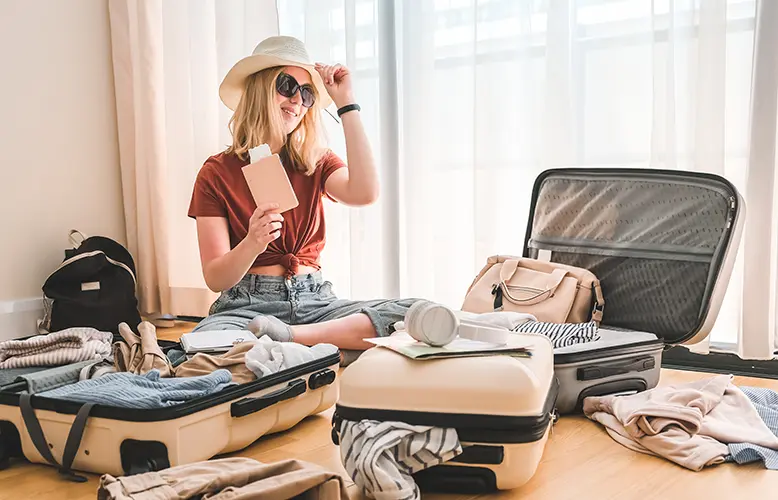
One of the most common mistakes travelers make is overpacking “just in case” items. The weight of your luggage is directly proportional to the stress of your journey. To pack effectively, adopt the “Capsule Wardrobe” philosophy. Choose a color palette—such as navy, white, and tan—that allows every piece of clothing you pack to be mixed and matched with every other piece.
Instead of folding clothes, use the rolling method or invest in packing cubes. Packing cubes act like drawers for your suitcase, keeping your items compressed and organized. This is especially helpful if you are visiting multiple cities; you can live out of your suitcase without creating a chaotic mess of fabric every time you look for a clean pair of socks.
Always pack a small “emergency kit” in your carry-on. This should include a change of clothes, basic toiletries, and any essential medications. If the airline misplaces your checked luggage, having these essentials will save you from a frantic shopping trip during your first night at your destination.
Financial Efficiency and Local Currency Tactics
Managing money abroad is a skill in itself. While credit cards are widely accepted globally, “Cash is King” remains true in many local markets, small cafes, and for transportation in various parts of the world.
Avoid exchanging large amounts of currency at airport kiosks, as they typically offer the worst exchange rates. Instead, use a local ATM upon arrival to withdraw a small amount of the local currency. Ensure you have a debit card that waives international ATM fees. When paying with a credit card, if a merchant asks if you want to be charged in your home currency or the local currency, always choose the local currency. This allows your bank to handle the conversion, which is almost always cheaper than the “Dynamic Currency Conversion” offered by the merchant’s terminal.
Health and Wellness on the Move
Travel can be taxing on the human body. The combination of recycled airplane air, disrupted sleep patterns, and new cuisines can weaken your immune system. Preparation begins a week before you leave. Focus on hydration and increasing your intake of vitamins to bolster your defenses.
During long-haul flights, physical movement is critical to prevent deep vein thrombosis (DVT). Wear compression socks and make a conscious effort to walk up and down the aisle at least once every two hours. Once you arrive, the best way to combat jet lag is to align your body with the local sun. Stay awake until at least 8:00 PM local time on your first night, and spend as much time outdoors as possible. Natural sunlight helps reset your internal clock faster than any supplement or nap.
Home Maintenance: Leaving with Peace of Mind
You cannot fully enjoy your trip if you are worried about the state of your home. Before you lock the door, perform a “pre-flight check” of your residence. Unplug non-essential electronics to save energy and prevent potential fire hazards from power surges. Check that all faucets are tightly closed and, if you are traveling for an extended period, consider shutting off the main water valve to prevent leaks.
Empty your refrigerator of perishables that will expire before your return. There is nothing worse than coming home to the smell of spoiled milk after a relaxing vacation. Finally, set your home lighting on timers or use smart bulbs to create the illusion that the house is occupied, providing an extra layer of security while you are away.
Conclusion
Preparation is the silent engine that drives a successful trip. By securing your digital footprint, streamlining your luggage, and managing your physical well-being, you remove the friction that often accompanies travel. Great advice isn’t just about what to do when you arrive; it is about the discipline you apply before you ever leave your front door. When you are well-prepared, you are free to be present, allowing the beauty and excitement of your destination to take center stage.
Would you like me to create a customized packing checklist based on a specific climate, or perhaps a guide on the best travel apps to install before your next departure?
