There is perhaps no travel experience more quintessentially American than the cross-country road trip. From the neon lights of the Las Vegas Strip to the misty towering redwoods of Northern California and the charming coastal towns of New England, the United States offers a geographical diversity that is best explored behind the wheel. However, the sheer scale of the country—spanning nearly 3.8 million square miles—means that a successful journey requires more than just a full tank of gas and a sense of adventure. To truly master the American road, you need a strategy that balances meticulous logistics with the flexibility to embrace the unexpected.
Defining Your Route: The Great American Corridors
The first step in planning is deciding which “flavor” of America you want to taste. While it is tempting to try to see everything, the US is vast; driving from New York to Los Angeles takes roughly 42 hours of pure driving time. Instead of rushing, most seasoned travelers focus on iconic corridors.
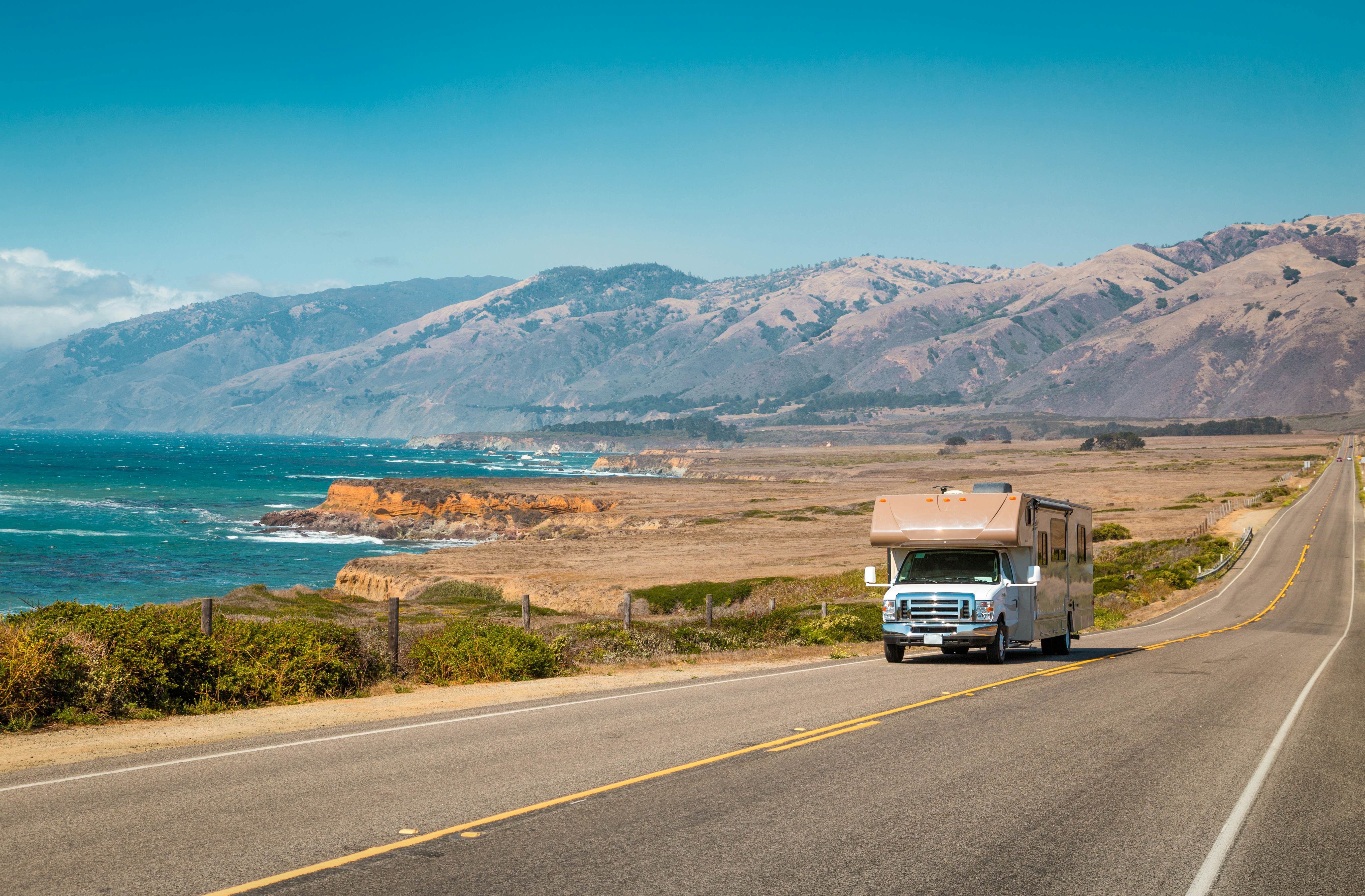
The Pacific Coast Highway (Highway 1): Ideal for those who love dramatic ocean cliffs, Mediterranean climates, and iconic cities like San Francisco and Los Angeles. This route offers some of the most photographed coastline in the world.
Route 66: Known as the “Mother Road,” this historic path from Chicago to Santa Monica is for the nostalgia seekers. It is lined with vintage diners, quirky roadside attractions, and the rugged beauty of the American Southwest, including the gateway to the Grand Canyon.
The Blue Ridge Parkway: For those who prefer lush greenery and rolling mountains, this drive through Virginia and North Carolina offers a slower pace of life, especially stunning during the autumn foliage season.
Logistics and Vehicle Preparation
Once you have a general route, the “how” becomes as important as the “where.” If you are not using your own vehicle, renting a car in the US is straightforward, but there are nuances to consider.
Choosing the Right Car: If your trip involves the National Parks of Utah or the snowy passes of the Rockies, an All-Wheel Drive (AWD) or 4×4 SUV is highly recommended. For coastal cruising, a fuel-efficient sedan or even a convertible can enhance the experience.
Insurance and Roadside Assistance: Ensure your insurance policy covers long-distance travel across state lines. Subscribing to a service like AAA (American Automobile Association) can be a lifesaver, providing towing, tire changes, and fuel delivery in remote areas where cell service might be spotty.
The Digital Toolkit: While GPS is standard, many areas of the American West are “dead zones” for cellular data. Download offline maps via Google Maps and consider using apps like Roadtrippers to find hidden gems or GasBuddy to locate the cheapest fuel prices along your route.
Budgeting for the Open Road
A US road trip can be as budget-friendly or as luxurious as you desire, but three major expenses will dominate your ledger: fuel, lodging, and food.
Fuel: Prices vary significantly between states. West Coast states like California typically have much higher taxes on gasoline than Southern states like Texas or Mississippi. Factor this into your daily cost estimates.
Lodging Strategy: To save money, many travelers opt for “dispersed camping” on Bureau of Land Management (BLM) land or staying in classic American motels like Motel 6 or Super 8, which are usually located right off the interstate exits. For a more curated experience, booking historic lodges inside National Parks is a must, though these often require reservations six to twelve months in advance.
The Cooler Advantage: One of the best ways to save money and stay healthy is to buy a cheap styrofoam or plastic cooler at a supermarket (like Walmart or Target) on day one. Keeping fresh fruit, sandwich supplies, and cold water on hand reduces the reliance on expensive—and often unhealthy—fast food found at rest stops.
Navigating the National Park System
For many, the National Parks are the primary motivation for a US road trip. If you plan on visiting more than three parks (such as Yellowstone, Yosemite, and Zion), you should purchase the “America the Beautiful” Pass. For a one-time annual fee of $80, this pass grants entrance to over 2,000 federal recreation sites for everyone in your vehicle.
Be aware of the “Timed Entry” systems. Due to record-breaking crowds in recent years, parks like Arches, Glacier, and Rocky Mountain now require visitors to reserve an entry slot months in advance. Without this digital reservation, you may find yourself turned away at the gate regardless of your pass status.
Safety and Etiquette on the Highway
Driving in the US is generally easy due to wide lanes and clear signage, but there are specific rules to keep in mind.
The “Move Over” Law: In most states, if you see an emergency vehicle or a tow truck with flashing lights on the shoulder, you are legally required to move to the far lane to give them space.
Wildlife Awareness: In rural areas, especially at dawn and dusk, deer and elk are a major road hazard. Keep your high beams on when appropriate and stay vigilant; a collision with a large animal can end your trip instantly.
State Lines: Each of the 50 states has its own traffic laws. Speed limits can change abruptly from 80 mph in the desert to 55 mph as you enter a town. “Speed traps” are common in small rural towns, so strictly adhering to the posted limit is the best way to avoid a costly ticket.
Conclusion
Planning a US road trip is an exercise in both organization and imagination. By choosing a focused route, preparing your vehicle for the specific terrain, and securing your National Park permits early, you set the stage for a seamless adventure. However, the true magic of the road trip lies in the moments you didn’t plan—the roadside peach stand in Georgia, the sudden thunderstorm over the plains of Kansas, or the neon-lit diner in the middle of the Nevada desert. Pack your bags, download your favorite playlists, and remember: in America, the journey is not just a way to reach a destination; the journey is the destination itself.
Would you like me to create a specific 7-day itinerary for one of the routes mentioned, or perhaps a comprehensive packing list for a cross-country adventure?
