Fishing is often perceived as a simple game of patience, luck, and basic gear. Beginners tend to believe that success on the water depends entirely on choosing a high-end rod or casting into a random spot on a lake and waiting indefinitely for a strike. However, those who consistently land prize catches understand that angling is a refined science and a strategic art form.
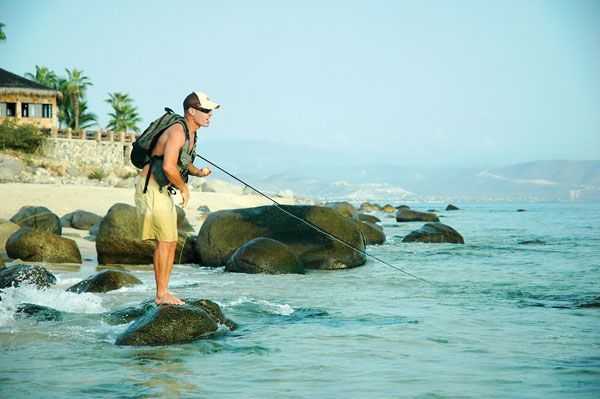
Becoming an expert fisherman requires moving past simple trial-and-error tactics. It demands a deep comprehension of marine ecosystems, meteorological influences, advanced tackle mechanics, and behavioral biology. Whether you are targeting freshwater bass in calm reservoirs or tracking pelagic species in the deep ocean, this guide outlines the foundational principles required to master the sport.
1. Decoding Aquatic Ecosystems and Fish Behavior
The fundamental difference between an average angler and an expert lies in the ability to read the water. Experts do not cast aimlessly; they analyze underwater environments to predict precisely where fish will rest, feed, and seek shelter.
Fish behavior is dictated by three primary ecological drivers: cover, structure, and water movement.
- Structural Variation: Underwater structure refers to physical terrain changes such as drop-offs, ledges, points, submerged riverbeds, and humps. Fish use these depth transitions to navigate between deep water comfort zones and shallow feeding grounds.
- Physical Cover: Cover includes vegetation, fallen logs, boulder fields, docks, and weed beds. Predators use cover as ambush points to attack unsuspecting baitfish while remaining hidden from larger threats.
- Current and Oxygenation: In rivers, streams, and coastal tides, water movement brings food directly to stationary fish. Target eddy lines, current seams, and areas behind rocks where fish can hold position without expending excess energy.
Understanding seasonal shifts is equally critical. In spring, fish migrate into warm shallow waters to spawn and feed aggressively. Summer pushes fish into deeper, oxygen-rich zones or dense shaded cover during peak heat. Autumn triggers intense feeding behaviors as temperatures cool, while winter demands slow, downsized presentations to entice lethargic, cold-blooded species.
2. Mastering Environmental Variables and Weather Systems
An expert fisherman tracks barometric pressure, water clarity, temperature, and wind conditions long before setting foot on a boat or shoreline. Weather dictates fish activity levels more than almost any other single factor.
Barometric pressure shifts exert direct mechanical pressure on a fish’s swim bladder. Prior to a cold front, a falling barometer often triggers intense feeding frenzies because fish sense the incoming storm and stock up on energy. Conversely, directly after a front passes—characterized by high pressure and clear blue skies—fish often become sluggish and retreat into heavy cover, requiring smaller lures and slower retrieves.
Water clarity and temperature further refine your tactical choices:
- Stained or Muddy Water: Fish rely heavily on their lateral line system—a row of sensory organs along their body—to detect vibration and displacement. Use lures with strong vibrations, loud rattles, or dark high-contrast silhouettes.
- Clear Water: Fish depend entirely on eyesight. Long fluorocarbon leaders, natural color patterns, and fast-moving presentations are essential to avoid spooking sharp-sighted game fish.
- Thermal Layering: Tracking water temperature with accurate gauges helps locate the thermocline—the distinct boundary layer between warm surface water and cold deep water where fish congregate.
3. Optimizing Gear Performance and Line Dynamics
An expert views fishing gear not as individual purchases, but as a balanced, synchronized tool kit. Matching your rod action, reel gear ratio, line type, and terminal tackle to your specific target technique dramatically improves strike conversion rates.
Selecting the correct line type is crucial to presenting your lure naturally:
Monofilament Line
Monofilament features high stretch and buoyant properties. It acts as a shock absorber during violent topwater strikes or hard runs, preventing hooks from tearing free.
Fluorocarbon Line
Fluorocarbon has a refractive index nearly identical to water, making it virtually invisible underwater. It sinks quickly and offers minimal stretch, making it the ideal choice for deep jigging, bottom presentations, and clear-water leader lines.
Braided Line
Braided line offers zero stretch and exceptional tensile strength relative to its thin diameter. It cuts through heavy aquatic vegetation effortlessly and delivers maximum sensitivity, transmitting subtle bottom bumps directly to the angler’s hands.
Additionally, fine-tuning drag settings and ensuring hook sharpness are habits of true professionals. A dull hook point will fail to penetrate hard jawbone tissue, turning a potential catch into a missed opportunity.
4. Developing Technical Versatility and Spatial Precision
True experts do not rely on a single favorite technique or lure. They build a diverse repertoire of presentation styles and develop high-precision casting skills to adapt to changing day-to-day conditions.
Developing spatial accuracy—such as mastering sidearm skips, pitching, and flipping—allows you to place lures into tight openings under overhanging branches or docks without creating disruptive splashes. Silent, accurate entries keep fish unaware of human presence, leading to higher strike percentages.
Furthermore, dynamic presentation adjustment separates competent anglers from masters. If fish are ignoring a steady linear retrieve, experiment with erratic movements. Introduce pauses, sudden twitches, speed changes, or bottom-bouncing movements. Frequently, it is the unexpected change in cadence that triggers a predatory reaction strike from an hesitant fish.
Conclusion
Becoming an expert fisherman is a continuous journey of observation, adaptability, and patience. It is not defined by landing a single giant fish, but by consistently understanding why, when, and where fish bite across various environments and conditions. By studying aquatic structures, monitoring environmental metrics, optimizing your tackle systems, and honing your field techniques, you elevate angling from a simple recreational pastime into a masterful discipline.
